
 KOICHI
こんばんは。
This time「School of Online for Human SDGs」is the product we confidently deliver.「Your Individuality Is an SDG Contribution: How Personal Action Builds a Sustainable Society」Here you go!

目次
SDGs Are Not Only for Organizations
The Sustainable Development Goals (SDGs) can sound like a global agenda for governments, companies, and international organizations. Yet they also depend on the everyday choices and actions of individuals. The United Nations notes that changing how we consume, produce, and live is an individual contribution to achieving the Global Goals and a necessary condition for building a better future.
Individual SDGs activity does not require a person to solve every global problem. It means recognizing that one’s daily life—what one buys, eats, learns, shares, repairs, votes for, and talks about—can either reinforce unsustainable systems or help change them. UNESCO emphasizes that fundamental changes for a sustainable future begin with individuals’ behavior, attitudes, and lifestyle choices.
Personal Action Has Many Forms
A person’s SDGs activity can be simple and practical. It may include reducing food waste, using public transport, saving energy, choosing durable products, repairing items, volunteering locally, or learning about social and environmental issues. It may also involve supporting fair-trade products, joining a community garden, mentoring young people, or participating in local decision-making.
The UN Office at Geneva highlights actions related to reducing inequality, combating climate change, and embracing sustainable consumption as examples of daily contributions people can make. These actions may seem small, but they become meaningful when many people practice them consistently and when they influence families, workplaces, schools, and communities.
Your Personality Is Not a Barrier
Many people believe they are “not the type” to contribute to the SDGs because they are not activists, scientists, or environmental experts. In reality, personality is one of the most valuable resources for sustainable development. An outgoing person may be good at organizing events and bringing neighbors together. A quiet person may be skilled at research, listening, writing, or careful planning. A creative person may turn environmental messages into art, music, design, or storytelling.
UNESCO states that education for sustainable development enables individuals to contribute to sustainable development by transforming their own behavior and promoting social, economic, and political change. It also recognizes that people need knowledge, skills, values, and attitudes to become sustainability change-makers. Your individuality determines not whether you can contribute, but how you can contribute best.
Strengths Become Sustainable Contributions
Every person has strengths that can support the SDGs. A person who enjoys cooking may reduce food waste and teach others to use leftovers. Someone who loves technology may build tools for community recycling or energy saving. A person skilled in listening may support mental health, inclusion, or peer support. Someone who enjoys nature may lead cleanups, tree planting, or biodiversity monitoring.
UNESCO identifies sustainability competencies such as systems thinking, critical thinking, collaboration, self-awareness, and integrated problem-solving. These are not limited to one personality type. They can be developed through reflection, practice, and participation. When people connect their natural strengths to real community needs, personal action becomes more sustainable because it feels authentic rather than forced.
Small Actions Create Social Ripples
Individual action matters not only because of its direct environmental impact, but because it influences others. When one person starts composting, cycling, repairing clothing, or speaking up about local environmental issues, others may begin to see these actions as normal and possible. Social norms can change through visible everyday behavior.
UNESCO notes that education for sustainable development encourages both individual and collective action to change society and protect the planet. It also stresses the importance of community in supporting transformative action. A single action may be modest, but a community of people acting together can create new expectations, new services, and new local solutions.
Avoid Perfectionism and Burnout
It is important to remember that no individual can live perfectly sustainably. People have different incomes, health conditions, family responsibilities, work schedules, and access to transportation or green products. SDGs activity should not become a competition or a source of guilt.
UNESCO emphasizes self-awareness as a sustainability competency: the ability to reflect on one’s role in society, evaluate one’s actions, and manage one’s feelings and motivations. A healthy approach is to choose one or two realistic actions, learn from them, and gradually expand. Progress matters more than perfection. Sustainable action should strengthen wellbeing, not exhaust the person practicing it.
From Personal Identity to Collective Change
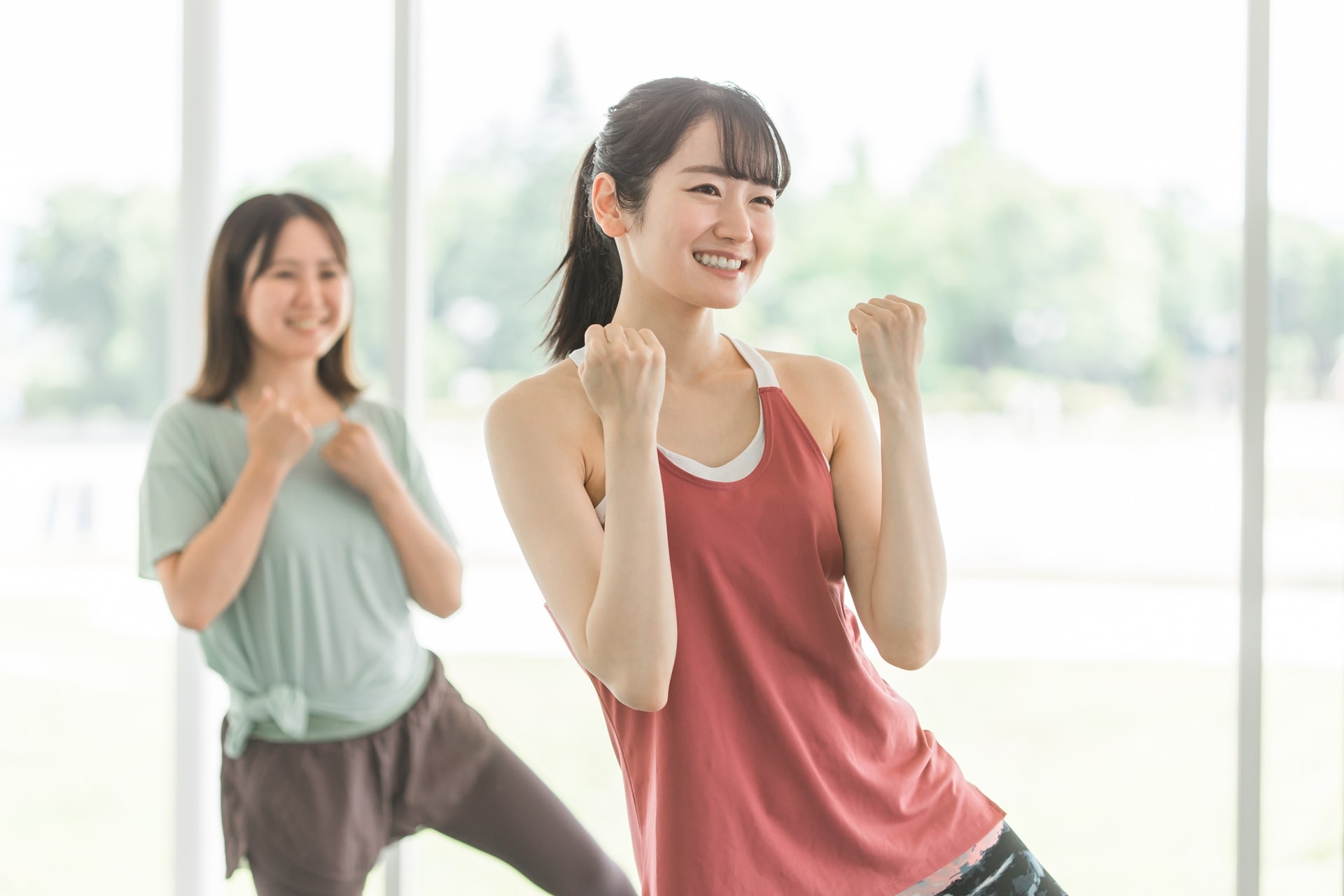
The most powerful form of individual SDGs activity is not copying someone else’s lifestyle. It is discovering the intersection between your own values, abilities, interests, and the needs of your community. A person who loves storytelling may raise awareness about local environmental issues. A person who enjoys organizing may create a repair café. A person who cares about education may support children’s climate learning.
UNESCO states that education for sustainable development equips people of all ages with the knowledge, skills, values, and ability to address climate change, biodiversity loss, resource overuse, and inequality. It also emphasizes that people should be empowered to make informed decisions and take action for environmental integrity, economic viability, and a just society.
Your individuality is not separate from the SDGs. It is part of the solution. When people bring their unique skills, personalities, and passions into everyday action, they help create a sustainable society that is not only greener, but also more human, inclusive, and resilient.
Today「School of Online for Human SDGs」article「Your Individuality Is an SDG Contribution: How Personal Action Builds a Sustainable Society」is
下記の#タグキーワードからも、関連記事を検索できます。
 Recommend Recommended Content |